In the Industry 4.0 era, automation is reshaping the way businesses are managed. The article "Smart Management Trends: Business Automation and Valuable Lessons from Siemens – Do They Fit Vietnamese Businesses?" explores how Siemens has applied automation to optimize its production processes, and asks whether these strategies can be implemented successfully in Vietnam. Let's identify the opportunities and challenges of automation for Vietnamese businesses!
Smart management trends: business automation
1. What is automation and why does it matter?
Business automation involves using technologies such as artificial intelligence (AI), machine learning and automated software systems to manage and run internal processes. Its main goal is to reduce human involvement in repetitive activities while improving accuracy and efficiency.
With competition growing ever fiercer, optimizing management processes through automation is no longer just an option but is becoming a requirement for businesses to survive and grow. The clear benefits of automation include:
- Lower operating costs: by reducing the need for manual labor and minimizing errors, automation saves businesses on staff and other unnecessary costs.
- Greater efficiency: automated systems run 24/7 without being affected by human factors such as fatigue or mistakes.
- Better decision-making: data collected and processed by automated systems helps managers make timelier, more accurate decisions.
2. Current automation trends in business management
Automation in business management no longer stops at a few isolated processes; it has grown into comprehensive systems that integrate many different areas:
- Automated production management: production lines are programmed and controlled by AI to monitor and assess performance and make timely adjustments.
- Warehouse management: automated systems track inventory, manage receipts and issues and optimize storage space, cutting costs and speeding up operations.
- HR management: automation software is used to manage employees, from recruitment and training to time attendance and performance reviews.
These trends help businesses make the most of their resources, improve efficiency and adapt quickly to market changes.
3. Why is automation the optimal management solution?
As businesses face mounting pressure to do more with fewer resources, automation becomes the optimal management solution, with outstanding benefits:
- Fewer errors: automated processes minimize human errors, especially in highly repetitive work.
- Time savings: with automation, processes run quickly and continuously, reducing processing time and speeding up time to market.
- Better customer experience: automated systems track customer behavior, manage customer relationships (CRM) and support fast responses, increasing customer satisfaction.
- Easy to scale: as the business grows, expanding production or services with automation becomes easier without increasing headcount or operating costs.
4. The challenges of implementing automation
Although automation brings many benefits, not every business can adopt it easily. Common challenges include:
- High upfront costs: investing in automation systems usually requires a large upfront outlay on equipment and software.
- Changing the corporate culture: to succeed, businesses need support from both staff and management, as automation can raise concerns about job losses or changing roles.
- Training and technical support: businesses need to invest in training staff to use and manage automated systems, and ensure ongoing technical support.
Case study: Siemens - effective automation in industrial production management
Siemens is a global technology group headquartered in Germany, renowned for its advanced solutions in automation, electrical engineering and energy. Founded in 1847, Siemens has become one of the world's leading corporations, pioneering technology for manufacturing, energy, healthcare and infrastructure. With its commitment to innovation and sustainable development, Siemens keeps delivering smart, effective solutions to millions of businesses worldwide.
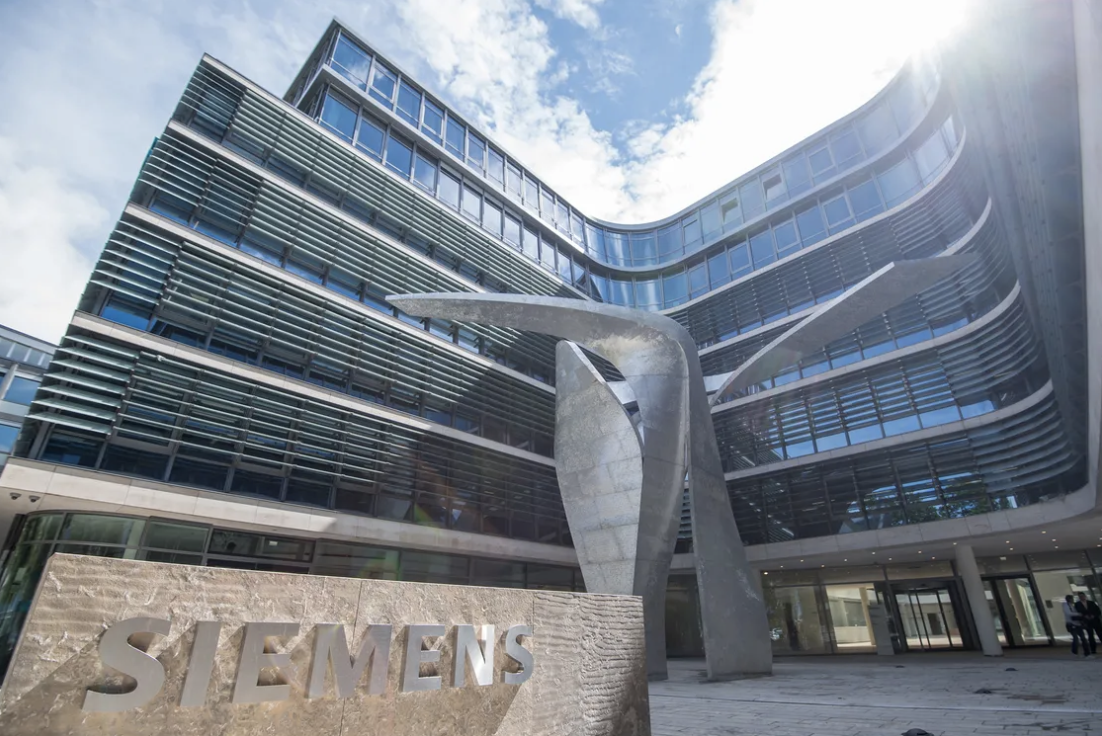
Siemens is one of the pioneers in implementing automation
1. Automation in production
Siemens, one of the largest groups in industry and technology, has led the way in production automation, especially at its Siemens Amberg plant in Germany. This is a famous automated plant where more than 75% of production processes are fully automated and managed by smart systems.
- Fewer production defects: before automation, the defect rate in production at the Siemens plant was 500 defects per million products. Thanks to automated and robotic systems, this rate has fallen to just 12 defects per million products, reducing incidents and significantly increasing product quality.
- Optimized costs and time: the Siemens Amberg plant produces 15 million products a year and needs only 1,200 employees to manage the whole process thanks to automation. This reduction in labor significantly cuts staff costs and increases labor productivity.
Khám phá ngay: Smart manufacturing demo
2. Applying automation to many different processes
At Siemens, automation is not limited to production but is widely applied in other processes:
- Supply chain management: Siemens uses smart supply chain management systems based on AI and IoT to monitor, track and optimize the entire supply chain from raw materials to finished products. As a result, the plant can quickly detect and correct supply chain problems, reducing incidents and saving time.
- HR management: Siemens has integrated an automated cloud-based HR management system. It automatically tracks employee performance, plans training and adjusts resources to actual needs.
- Automation in quality management: all products at the Amberg plant are continuously monitored by sensors and AI systems to ensure quality. Every product is inspected and monitored with automated technology, reducing defects and improving product consistency
3. Why is automation the optimal management solution for Siemens?
Siemens realized that automation is the key to staying competitive in the industry:
- Greater efficiency: output at the Siemens Amberg plant has increased 10-fold since automation was implemented, while the number of employees has barely changed. This shows that automation has helped Siemens optimize production efficiency without adding labor.
- Lower operating costs: according to an internal Siemens study, implementing automation saves up to 20-30% in operating costs every year. Fewer defects and optimized processes also reduce maintenance costs and production incidents.
- Scaling up: the Siemens Amberg plant has successfully expanded production without significantly increasing floor space or resources. Thanks to automation, Siemens can produce in large volumes without further investment in infrastructure.
Learn more: Demo | The secret behind accurate, fast and real-time operations
4. The challenges Siemens faced in implementing automation
Like any other business, Siemens also faced challenges when implementing automation:
- High upfront investment: to build an automated plant like Amberg, Siemens invested millions of dollars in machinery and software. Although the upfront cost was very high, in the long run Siemens has recouped the investment thanks to efficiency and low operating costs.
- Staff training: Siemens had to invest heavily in retraining employees so they could work with complex automated systems. This process required not only time but also in-depth technical knowledge from employees.
- Change management: moving from traditional processes to automation was not always smooth. Siemens faced cultural change challenges within the company, as some employees worried about losing their jobs to robots.
5. What Siemens achieved
- Revenue growth: thanks to improved production efficiency and lower defect rates, Siemens' revenue from the Amberg plant has grown strongly. According to reports, the plant generates up to EUR 1.5 billion a year, mainly thanks to high-quality products and fast response to market demand.
- Higher productivity: Siemens Amberg has been able to increase production output 10-fold compared with before automation. It now produces up to 15 million products a year while maintaining top quality.
- Defect rate down by up to 90%: the production defect rate fell from 500 per million products to just 12 per million products. This reduction not only saves repair costs but also increases product reliability in customers' eyes.
- Cost savings: automation has helped Siemens cut operating costs by 20-30% a year, thanks to lower labor costs, fewer defects and time saved in the production process.
- Greater accuracy and reliability: the Amberg plant has achieved a first-time quality rate of up to 99.8%, showing success in maintaining quality through automation.
- Fast changeovers: the time to switch between product lines has fallen to 15 minutes, thanks to a flexible automated system that lets Siemens easily adjust production to market demand.
- Better customer experience: thanks to fast, accurate production, Siemens has improved customer satisfaction, with a satisfaction rate of around 95%.
- Investment in new technology: Siemens has continued to invest in new technologies such as AI and IoT, with its innovation budget rising to EUR 6 billion a year, helping it stay competitive and keep improving its production processes.
- Sustainable development: thanks to automation, Siemens has cut CO2 emissions at the Amberg plant by up to 30%, contributing to the company's sustainability goals.
Do Siemens' valuable lessons fit Vietnamese businesses?
Siemens has succeeded in automating and optimizing its production processes, offering valuable lessons for businesses around the world. But do these lessons fit the context and realities of Vietnamese businesses? This article analyzes and clarifies how to apply Siemens' strategies to help Vietnamese businesses grow sustainably in the digital era.
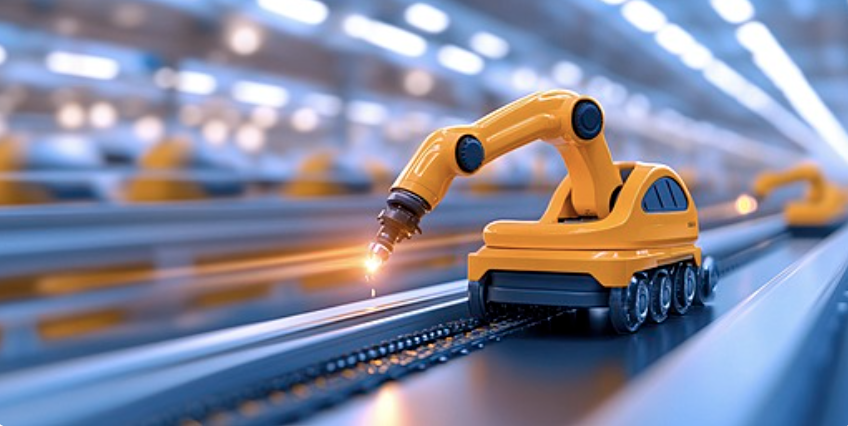
Smart management helps Vietnamese businesses thrive in the new era
1. Invest in automation technology
Choose the right technology: businesses should research and invest in automation technologies that fit their scale and production needs. Applying robots, sensors and AI systems can increase efficiency and cut costs.
In practice: Vietnamese companies such as VinFast have invested heavily in automating their car production lines. Using welding and assembly robots has not only increased productivity but also improved product quality. Businesses can start with basic automation equipment and expand gradually as budget allows.
2. Focus on quality
Automated quality control: learning from Siemens, businesses can apply automated systems to monitor and control product quality, reducing defects and improving reliability.
In practice: TH True Milk uses sensors and automated quality control systems in its milk production process to ensure food safety and hygiene standards. This not only reduces defects but also strengthens customer trust.
3. Optimize production processes
Reduce changeover time: deploy automation solutions that reduce changeover time between products, improving responsiveness to the market and customer demand.
In practice: textile and garment companies such as Hoa Tho Textile & Garment can apply ERP software to track and manage the entire production process, from raw materials to finished goods. This reduces changeover time between lots and optimizes production capacity.
Khám phá ngay: Demo | MES - optimized production management for the textile and garment industry
4. Develop workforce skills
Train employees: invest in training so employees can work effectively with automated systems. Businesses need to build structured training programs to upskill their workforce.
In practice: companies such as FPT have built training programs on digital technology and automation for employees, helping them get used to new tools. Other businesses should consider running internal training courses to strengthen their people's capabilities.
5. Smart data management and analytics
Apply IoT and data analytics: learning from Siemens' use of IoT for monitoring and data analysis, Vietnamese businesses should apply these technologies to manage their supply chain and production effectively.
In practice: Masan Consumer uses IoT to monitor machine operations in its plants, detecting problems early and optimizing production processes. Vietnamese businesses should consider applying IoT to improve supply chain management.
6. Encourage innovation
Foster a culture of innovation: Siemens has invested heavily in research and development. Vietnamese businesses need to encourage a creative working environment where new ideas are welcomed and tested.
In practice: companies such as Vingroup have created an innovation fund for employees to propose new ideas. Businesses should encourage employees to contribute ideas and test new initiatives to improve work efficiency.
7. Focus on sustainable development
Reduce environmental impact: through automation, Siemens has cut CO2 emissions. Vietnamese businesses should also focus on sustainability measures that not only improve efficiency but also protect the environment.
In practice: companies such as Nutifood have applied environmentally friendly production solutions, such as using renewable energy in production. Businesses need concrete plans to reduce their environmental impact.
8. Manage change
Handle cultural change: implementing automation may meet resistance from employees. Businesses need a communication and change management plan so employees understand and accept the new technology.
In practice: SABECO held workshops to explain the benefits of automation to employees, helping them understand the changes. Effective information management and communication help ease employees' concerns.
9. Optimize operating costs
Look for savings opportunities: drawing on Siemens' experience, businesses can analyze their current processes to find cost-saving opportunities through automation and process optimization.
In practice: companies such as Vinamilk have analyzed their processes to find cost-saving opportunities, cutting operating costs by 15-20%. Other businesses should also review their current processes in detail to find savings.
10. Promote international cooperation
Learn from foreign partners: Vietnamese businesses should partner with international corporations to access advanced technology and share experience in applying automation.
In practice: Vietnamese companies such as PetroVietnam have partnered with international corporations to improve their technology and production processes. Finding international partners can help businesses access advanced technology and become more competitive.
Conclusion
Business automation is not just a trend but a decisive factor in improving efficiency and competitiveness in the global market. The lessons from Siemens, with its modern technology applications and optimized production processes, open up valuable opportunities for Vietnamese businesses. However, to apply these models successfully, businesses need to carefully consider their context, financial capacity and current workforce. Done this way, investing in automation not only saves costs but also creates lasting value. Pursuing digital transformation and automation strategically is the path that will help Vietnamese businesses not just survive but thrive in the new era.