
Total quality management (TQM) is an optimal management method for organizations and businesses aimed at quality and process improvement. It is carried out by all members of an organization to bring long-term success through positive customer feedback. Many metrics affect TQM for a business. To understand these metrics, read the following article from Sbiz.vn.
Metrics related to total quality management
Most organizations that adopt total quality management use key performance indicators (KPIs) to analyze and track progress. Metrics that affect total quality management include:
Overall Equipment Effectiveness (OEE)
OEE is a metric used to measure the overall effectiveness of a piece of production equipment or an entire line. If OEE rises, it means the business is using labor and machinery effectively. The OEE metric shows how well machinery is operating.
>>> Learn more: How does the OEE metric affect a business?
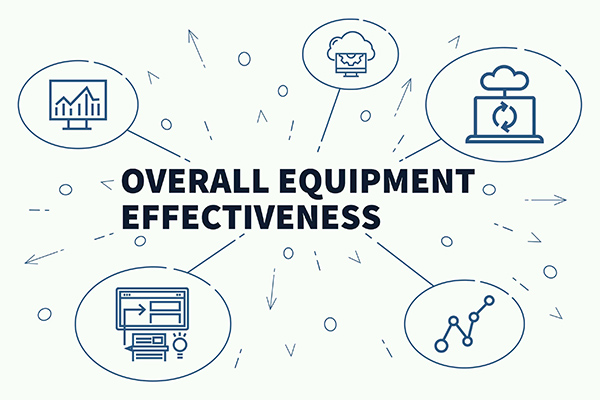
The OEE metric in manufacturing
Overall Operations Effectiveness (OOE)
OOE is also one of the metrics that affect total quality management. It measures the profit efficiency earned from business operations. The higher the operational effectiveness, the higher the profit the business earns.
Inventory turnover
Based on the inventory turnover ratio, managers can evaluate the business's performance. This metric is quite similar to “sales”. It reflects how long it takes, and how, for the goods in stock to be sold or shipped to buyers.
Through this metric, financial staff can evaluate whether the business's products are selling effectively. It also helps the business keep track of items that are still in stock and hard or impossible to sell. From there, managers can come up with timely, effective sales strategies.

A high inventory turnover ratio is a good sign for a business's warehouse
Quality control metrics
There are many ways to measure quality; one is to determine the percentage of defective products or processes. Based on this metric, the business can introduce continuous improvement measures. However, businesses shouldn't focus only on measuring quality but should identify the causes of product defects so they can fix them thoroughly.
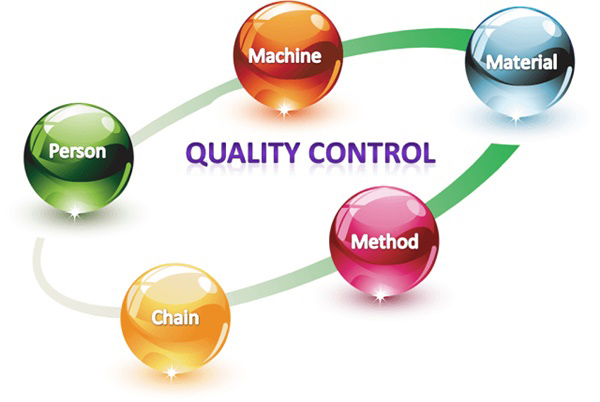
Measuring quality
Rework rate
Don't waste too much time and material on rework. Businesses should aim for quality at the source and train staff in efficient production to help minimize losses in rework.
Applying optimal total quality management to the business
Today, total quality management systems are still not widely adopted in Vietnam. This form of management is mainly used by large businesses and foreign-invested companies. Specifically, total quality management is implemented as follows:
Preliminary review of management: Review management activities and gain a clear understanding of the business's operating processes. Redefine the goals the business is aiming for, from basic processes through to implementation and improvement.
Define quality objectives: Based on quantitative factors such as calculations, charts, quantities, graphs... the business evaluates and clarifies how effective its improvement solutions are.
Adjust processes: Carefully review the processes being implemented in the business and adjust them using rules, tools and staff skills and qualifications. The business can gather feedback from staff and customers to build suitable processes that deliver better results.
Evaluate the role of information flow: The business's situation is reflected in the data collected beforehand. So the business needs the right awareness and must analyze information from many different sources fully and accurately to make appropriate improvement decisions.
Build trust among staff: Building staff confidence in the future direction the business sets is also the motivation it needs to develop comprehensively and sustainably.
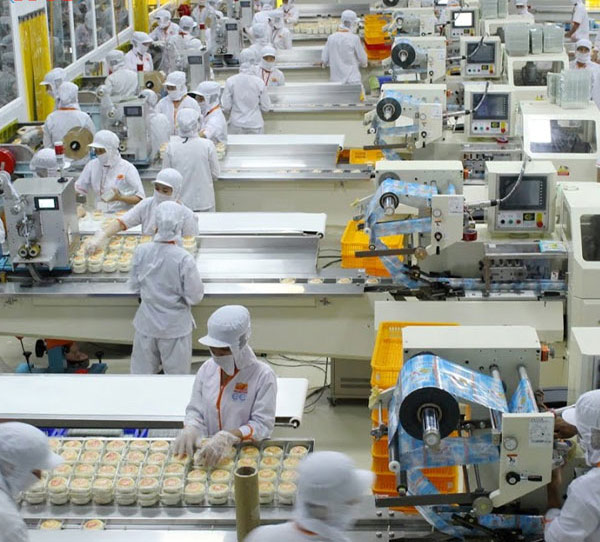
Applying total quality management principles to the business
Conclusion
Applying total quality management to a business is necessary to achieve systematic operating processes, easier control of human resources, savings in time and costs, and greater customer satisfaction with the products/services the business provides. At the same time, based on the metrics that affect TQM, managers can adjust and make timely improvements so the business can address problems and develop more comprehensively.